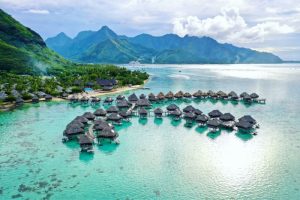
Immerse yourself in the realm of Geotourism Adventure in National Parks, where sustainable exploration meets breathtaking landscapes and enriching experiences.
Discover the essence of responsible travel and the allure of connecting with nature on a deeper level.
Geotourism Adventure in National Parks
Geotourism focuses on the natural and cultural heritage of an area, promoting sustainable travel that benefits local communities and preserves the environment. This concept differs from traditional tourism by emphasizing responsible travel practices and conservation efforts.
Examples of National Parks for Geotourism Experiences
- Yellowstone National Park in the United States, known for its geysers, hot springs, and diverse wildlife.
- Torres del Paine National Park in Chile, offering stunning landscapes, glaciers, and unique rock formations.
- Galapagos National Park in Ecuador, famous for its biodiversity and conservation efforts.
Importance of Sustainable Practices in Geotourism Adventures
Sustainable practices are essential in geotourism to minimize negative impacts on the environment and local communities. By supporting eco-friendly accommodations, local businesses, and conservation efforts, visitors can contribute to the long-term preservation of natural and cultural heritage sites.
Tips for Responsible Geotourism Participation
- Respect wildlife and natural habitats by observing from a distance and following designated trails.
- Reduce waste and minimize your environmental footprint by practicing Leave No Trace principles.
- Support local communities by purchasing authentic souvenirs and using local guides for tours.
- Learn about the history and culture of the area to appreciate the significance of the sites you are visiting.
Shopping Vacation
Shopping vacations are becoming increasingly popular among travelers looking to combine leisure with retail therapy. From bustling urban centers to quaint rural towns, shopping experiences offer a unique glimpse into the local culture and economy.
Urban vs. Rural Shopping
Shopping in urban areas often means access to a wide range of designer stores, luxury boutiques, and trendy markets. The vibrant atmosphere and diverse offerings make city shopping a thrilling experience for those seeking the latest trends and upscale products.
In contrast, shopping in rural or remote locations provides a more laid-back and authentic experience. Visitors can explore local markets, artisan shops, and traditional craft stores, immersing themselves in the heritage and craftsmanship of the community. These off-the-beaten-path shopping destinations offer a chance to support small businesses and discover unique handmade products.
Impact on Local Economies
- Shopping tourism can significantly boost the economy of a region by generating revenue for local businesses and creating job opportunities.
- By promoting locally-made products and traditional crafts, shopping vacations help preserve cultural heritage and traditions.
- Engaging with local artisans and vendors fosters a sense of community pride and encourages sustainable practices.
Unique Shopping Destinations
| Destination | Highlights |
|---|---|
| Grand Bazaar, Istanbul, Turkey | One of the oldest and largest covered markets in the world, offering a treasure trove of carpets, ceramics, spices, and jewelry. |
| Chatuchak Weekend Market, Bangkok, Thailand | The largest market in Thailand, with over 8,000 stalls selling everything from clothing and accessories to home decor and local street food. |
| Santa Fe, New Mexico, USA | Known for its vibrant art scene, Santa Fe is home to numerous galleries, studios, and boutiques showcasing Native American and Southwestern crafts. |
Arctic and Polar Expeditions
Embarking on Arctic and Polar expeditions offers a unique and thrilling experience for adventurous travelers. The challenges and rewards of exploring these remote regions are unmatched, with opportunities to witness breathtaking landscapes and encounter incredible wildlife.
Unique Wildlife and Landscapes
The Arctic and Polar regions are home to a diverse array of wildlife, including polar bears, seals, whales, and various bird species. The landscapes feature towering glaciers, icebergs, and vast icy expanses, creating a surreal and captivating environment unlike any other on Earth.
Conservation Efforts
Conservation efforts in the Arctic and Polar regions are crucial to preserving these delicate ecosystems. Climate change poses a significant threat to the wildlife and habitats in these areas, making it essential to support initiatives focused on protecting and conserving the environment for future generations.
Safety Tips for Travelers
- Always dress in layers and be prepared for extreme weather conditions.
- Stay with your group and follow the guidance of experienced expedition leaders.
- Be aware of wildlife encounters and maintain a safe distance from animals.
- Carry essential supplies, including food, water, and emergency equipment.
- Respect the environment and follow Leave No Trace principles to minimize impact on the fragile ecosystems.
Music Festival Tour
Attending music festivals around the world offers a unique and exhilarating experience that combines live music, cultural immersion, and a sense of community. The atmosphere at these festivals is often vibrant and energetic, with people from different backgrounds coming together to celebrate music in a festive setting.
Atmosphere and Experience
Music festivals are known for their lively atmosphere, with stages set up for various artists to perform, food vendors offering local delicacies, and art installations adding to the overall ambiance. Attendees can expect to dance, sing along, and create lasting memories amidst a sea of fellow music enthusiasts.
Cultural Significance
Music festivals hold significant cultural value in different countries, showcasing local music genres, traditions, and artistic expressions. For example, festivals like Coachella in the United States highlight a mix of mainstream and indie artists, while events like the Glastonbury Festival in the UK emphasize diversity and inclusivity in music.
Impact on Local Communities
Music tourism plays a crucial role in boosting local economies by attracting visitors, creating job opportunities, and promoting cultural exchange. Festivals can also help put lesser-known destinations on the map, driving tourism growth and supporting small businesses in the area.
Tips for Planning
- Research the lineup and schedule in advance to prioritize your favorite artists.
- Consider accommodation options early to secure a convenient place to stay.
- Pack essentials like sunscreen, comfortable shoes, and a portable phone charger.
- Stay hydrated and take breaks to avoid exhaustion during long festival days.
- Embrace the experience fully by interacting with fellow attendees and exploring all the festival has to offer.
Rainforest Exploration
Embark on a journey to discover the wonders of rainforests, where biodiversity thrives and ecosystems flourish.
Importance of Conservation in Rainforest Preservation
Rainforests play a crucial role in maintaining global biodiversity and climate regulation. Conservation efforts are essential to protect these delicate ecosystems for future generations.
Sustainable Ecotourism Practices in Rainforest Exploration
- Support local communities through responsible tourism initiatives.
- Choose eco-friendly accommodations and tour operators that prioritize sustainability.
- Respect wildlife and natural habitats by following designated trails and guidelines.
- Participate in educational programs to learn about rainforest ecosystems and conservation efforts.
Must-Visit Rainforest Destinations
- Amazon Rainforest in South America: Explore the world’s largest tropical rainforest and witness the incredible biodiversity it harbors.
- Daintree Rainforest in Australia: Experience the ancient beauty of this UNESCO World Heritage site and learn about its unique flora and fauna.
- Borneo Rainforest in Malaysia: Encounter endangered species like orangutans in their natural habitat and immerse yourself in the rich biodiversity of this island rainforest.
- Congo Basin Rainforest in Africa: Discover the second-largest tropical rainforest in the world and support conservation efforts to protect its wildlife and ecosystems.
Spiritual Pilgrimage
Spiritual pilgrimages hold a significant place in various religions and cultures around the world. These journeys are often seen as a way to connect with one’s faith, seek enlightenment, or experience personal transformation.
Significance of Spiritual Pilgrimages
- Spiritual pilgrimages are a way for individuals to deepen their connection with their faith and beliefs.
- These journeys often involve rituals, prayers, and acts of devotion that are considered sacred by the pilgrims.
- Pilgrimages can also serve as a form of penance or seeking forgiveness for past wrongdoings.
Transformative Experiences
- Pilgrims often undergo profound personal transformations during their journeys, leading to spiritual growth and enlightenment.
- The physical challenges of the pilgrimage route, coupled with the emotional and mental aspects, contribute to the transformative experience.
- Pilgrims may experience a sense of peace, clarity, and spiritual renewal upon completion of their journey.
Famous Pilgrimage Sites
- Mecca in Saudi Arabia is a significant pilgrimage site for Muslims, who are required to make the Hajj pilgrimage at least once in their lifetime if financially and physically able.
- Varanasi in India is a sacred city for Hindus, known for its ghats along the Ganges River where pilgrims perform cleansing rituals and funeral rites.
- Lourdes in France is a popular pilgrimage site for Catholics, believed to be the site of apparitions of the Virgin Mary and known for its healing waters.
Tips for Travelers
- Research the history and significance of the pilgrimage site you plan to visit to better understand its cultural and spiritual importance.
- Respect the customs and traditions of the local community, including dress codes, rituals, and practices observed during the pilgrimage.
- Prepare physically and mentally for the journey, as pilgrimages can be physically demanding and emotionally challenging.
Birdwatching Vacation
Birdwatching is a beloved activity for nature enthusiasts, offering a peaceful way to connect with the natural world. The thrill of spotting different bird species in their natural habitats and observing their behaviors is what makes birdwatching so appealing.
The Joys of Birdwatching
- Immersing yourself in nature and enjoying the tranquility it offers.
- Learning about various bird species and their unique characteristics.
- Developing patience and observational skills while searching for birds.
- Contributing to bird conservation efforts by documenting sightings and reporting rare species.
Diverse Bird Species and Habitats
- From colorful songbirds in tropical rainforests to majestic raptors in mountainous regions, birdwatchers can encounter a wide variety of species.
- Coastal areas provide opportunities to observe seabirds like puffins, gannets, and albatrosses.
- Wetlands are home to waterfowl such as ducks, herons, and egrets, while grasslands attract species like sparrows, finches, and meadowlarks.
Tips for Beginners
- Invest in a good pair of binoculars and a field guide to help identify birds.
- Start birdwatching in your local area to become familiar with common species before exploring new destinations.
- Join birdwatching groups or clubs to learn from experienced enthusiasts and share sightings.
- Practice patience and quiet observation to avoid disturbing the birds and increase your chances of spotting them.
Birdwatching Hotspots Around the World
- The Galapagos Islands offer unique birdwatching opportunities with species like the blue-footed booby and the Galapagos penguin.
- The Amazon Rainforest is a paradise for birdwatchers, with vibrant toucans, macaws, and hummingbirds among its many inhabitants.
- Kenya’s Maasai Mara National Reserve is known for its diverse birdlife, including ostriches, eagles, and storks.
- The Everglades in Florida provide a chance to see wading birds like herons, ibises, and roseate spoonbills in their natural habitat.
Remote Island Retreat
Remote island retreats offer a unique escape for travelers seeking solitude and a break from the hustle and bustle of everyday life. The allure of these secluded destinations lies in their untouched natural beauty, serene surroundings, and the opportunity to disconnect from the fast-paced world.
Unique Cultures, Landscapes, and Activities
Remote islands are often home to unique cultures that have been preserved over time due to their isolation. Visitors have the chance to immerse themselves in traditional practices, local cuisine, and indigenous art forms. The landscapes of remote islands are breathtaking, with pristine beaches, crystal-clear waters, lush forests, and dramatic cliffs waiting to be explored. Activities such as hiking, snorkeling, diving, and stargazing are popular among travelers looking to connect with nature.
Tips for Planning a Memorable Retreat
- Research the island: Understand the customs, climate, and activities available on the island before you go.
- Pack essentials: Due to the remote nature of these islands, it’s essential to pack everything you might need, including medical supplies, sunscreen, and insect repellent.
- Respect the environment: Leave no trace behind and respect the local wildlife and ecosystems.
- Stay informed: Keep updated on weather conditions, transportation options, and safety protocols on the island.
Popular Remote Islands for Retreats
- Maui, Hawaii: Known for its stunning beaches, volcanic landscapes, and vibrant culture.
- Fiji: A tropical paradise with crystal-clear waters, coral reefs, and welcoming locals.
- Santorini, Greece: Famous for its white-washed buildings, blue-domed churches, and romantic sunsets.
- Galapagos Islands, Ecuador: A biodiversity hotspot with unique wildlife and ecological wonders.
Volunteer Vacation

Volunteer vacations offer travelers the opportunity to give back to communities or conservation efforts while exploring new destinations. It is a meaningful way to travel with a purpose and make a positive impact on the places visited.
Benefits of Volunteering While Traveling
- Contribute to sustainable development
- Learn about local cultures and traditions
- Make a difference in the lives of others
- Gain new skills and experiences
Various Volunteer Opportunities
- Wildlife conservation projects in Africa
- Teaching English in South America
- Building homes in Asia
- Assisting with healthcare in remote villages
Personal Stories from Volunteers
“My volunteer vacation in Costa Rica opened my eyes to the importance of conservation efforts and the beauty of nature. It was a life-changing experience that I will never forget.” – Sarah
“Volunteering at an orphanage in India was a humbling and rewarding experience. It taught me the true meaning of gratitude and compassion.” – Mark
Tips for Planning a Volunteer Vacation
- Research reputable volunteer organizations
- Consider your skills and interests when choosing a project
- Prepare for cultural differences and challenges
- Stay open-minded and flexible during your volunteer experience
Farm Stay Vacation
Farm stay vacations, also known as agritourism, have become increasingly popular among travelers seeking unique and immersive experiences in rural settings. Staying on a farm allows visitors to connect with nature, learn about sustainable farming practices, and enjoy a peaceful retreat away from the hustle and bustle of city life.
Experiences and Activities
- Participating in farm chores such as feeding animals, milking cows, or harvesting crops.
- Taking guided tours of the farm to learn about the cultivation of organic produce and the care of livestock.
- Enjoying farm-to-table meals prepared with fresh ingredients sourced directly from the farm.
- Engaging in outdoor activities like hiking, fishing, or horseback riding on the farm’s expansive grounds.
- Attending workshops on cheese-making, wine-tasting, or other artisanal farm practices.
Benefits of Farm Stay
- Opportunity to disconnect from technology and reconnect with nature.
- Supporting local farmers and sustainable agriculture practices.
- Gaining hands-on experience in farming and appreciation for the food production process.
- Relaxing in a serene environment surrounded by picturesque landscapes.
- Educational opportunities for children and adults alike to learn about farming and sustainability.
Recommended Farm Stay Destinations
| Destination | Highlights |
|---|---|
| Tuscany, Italy | Vineyard tours, olive oil tastings, and picturesque countryside. |
| Maui, Hawaii | Pineapple farms, tropical fruit orchards, and stunning ocean views. |
| Cotswolds, England | Sheep farms, charming villages, and traditional English countryside. |
| Sonoma County, California | Wine country tours, farm-to-table dining, and redwood forests. |
| Queensland, Australia | Kangaroo sightings, eucalyptus forests, and Great Barrier Reef excursions. |
Educational Vacation
Taking an educational vacation can be a rewarding experience that not only allows you to explore new destinations but also contributes to personal growth and learning. These types of vacations offer a unique opportunity to immerse yourself in different cultures, languages, history, and traditions, providing a more enriching travel experience.
Benefits of Educational Vacations
- Enhanced cultural understanding and appreciation
- Acquisition of new skills and knowledge
- Personal growth and self-discovery
- Broadening of perspectives and worldview
Types of Educational Vacations
- Language immersion programs
- Cultural workshops and classes
- Historical tours and archaeological expeditions
- Wildlife conservation projects
Tips for Making the Most of Educational Vacations
- Research your destination and its educational opportunities beforehand
- Engage with local communities and experts to enhance your learning experience
- Keep an open mind and be willing to step out of your comfort zone
- Document your experiences through journaling, photography, or other means
Destinations for Enriching Educational Opportunities
- Japan for traditional tea ceremonies and cultural workshops
- Peru for language immersion programs and historical tours of Machu Picchu
- Italy for culinary classes and art history exploration
- Costa Rica for wildlife conservation projects and rainforest exploration
Hiking and Trekking
Hiking and trekking are popular outdoor recreational activities that allow individuals to immerse themselves in nature, challenge themselves physically, and explore breathtaking landscapes.
Physical and Mental Benefits
- Improves cardiovascular health and stamina
- Enhances muscle strength and endurance
- Reduces stress and anxiety levels
- Boosts mood and mental well-being
- Provides a sense of accomplishment and empowerment
Preparation Tips
- Choose appropriate footwear and clothing for the terrain and weather conditions
- Pack plenty of water, snacks, a map, and a first aid kit
- Inform someone of your hiking plans and expected return time
- Be aware of wildlife and potential hazards on the trail
- Start with shorter hikes and gradually increase difficulty level
Iconic Hiking Trails
| Trail Name | Location | Distance | Highlights |
|---|---|---|---|
| Pacific Crest Trail | USA (California to Washington) | 2,653 miles | Stunning mountain views, diverse ecosystems |
| Mount Kilimanjaro | Tanzania | 19,341 feet | Highest peak in Africa, various climatic zones |
| Inca Trail | Peru | 26 miles | Leading to Machu Picchu, ancient ruins |
| Overland Track | Australia (Tasmania) | 50 miles | Cradle Mountain, lush rainforests |
| Tour du Mont Blanc | France, Italy, Switzerland | 110 miles | Alpine scenery, charming villages |
Camping
Camping is a popular choice for budget-friendly and immersive travel experiences, allowing travelers to connect with nature and disconnect from the hustle and bustle of everyday life. It offers a unique opportunity to escape the distractions of technology and fully immerse oneself in the great outdoors.
Types of Camping
- Tent Camping: This classic form of camping involves setting up a tent in a designated campsite. It offers a more rugged experience and allows campers to truly feel one with nature.
- RV Camping: For those who prefer a bit more comfort, RV camping involves traveling in a recreational vehicle equipped with basic amenities such as a bed, kitchen, and bathroom.
Essential Camping Gear and Safety Tips for Beginners
- Essential Gear: Pack items such as a tent, sleeping bag, cooking supplies, flashlight, first aid kit, and appropriate clothing for the weather conditions.
- Safety Guidelines: Familiarize yourself with the camping area, follow Leave No Trace principles, store food properly to prevent wildlife encounters, and always have a backup plan in case of emergencies.
Picturesque Camping Locations with Stunning Views
- Yosemite National Park, California: Camp among towering granite cliffs, dramatic waterfalls, and lush forests in one of America’s most iconic national parks.
- Banff National Park, Canada: Wake up to breathtaking mountain vistas, turquoise lakes, and abundant wildlife in this stunning Canadian Rockies destination.
Cycling and Mountain Biking
Cycling and mountain biking offer thrilling adventures in various terrains, providing not just excitement but also numerous health benefits as outdoor activities.
Health Benefits of Cycling and Mountain Biking
- Improves cardiovascular fitness and strengthens muscles
- Enhances joint mobility and reduces stress levels
- Boosts overall mental well-being and promotes weight loss
Tips for Choosing the Right Bike and Gear
- Consider the type of terrain you will be riding on to choose the appropriate bike
- Invest in a helmet, gloves, padded shorts, and proper footwear for comfort and safety
- Ensure your bike fits you well to prevent injuries and optimize performance
Scenic Cycling Routes and Mountain Biking Trails
- Explore the picturesque landscapes of the French Alps on the Route des Grandes Alpes
- Ride through the stunning red rock formations of Sedona, Arizona on the Bell Rock Pathway
- Challenge yourself on the technical singletrack trails of Moab, Utah’s Slickrock Bike Trail
Fishing and Angling
Fishing and angling vacations offer a perfect blend of relaxation and excitement for those who enjoy spending time on the water, waiting for the perfect catch.
Types of Fishing Experiences
- Freshwater Fishing: Anglers can enjoy fishing in rivers, lakes, and streams, targeting species like trout, bass, and catfish.
- Deep-Sea Fishing: For a more adventurous experience, deep-sea fishing allows anglers to target larger species like tuna, marlin, and swordfish in the open ocean.
Fishing Techniques and Equipment
- Common fishing techniques include baitcasting, fly fishing, and trolling, each requiring different skills and equipment.
- Essential fishing equipment includes rods, reels, lines, hooks, and baits, tailored to the type of fishing and target species.
- It is crucial for anglers to follow local fishing regulations and obtain the necessary permits to ensure sustainable fishing practices.
Prime Fishing Destinations
- Florida Keys, USA: Known for its diverse marine life, the Florida Keys offer excellent opportunities for both freshwater and deep-sea fishing.
- Great Barrier Reef, Australia: Anglers can explore the world’s largest coral reef system and catch a variety of tropical fish species in this iconic destination.
- Alaska, USA: With its pristine waters and abundant salmon population, Alaska is a prime destination for freshwater fishing enthusiasts.
Kayaking and Canoeing
Kayaking and canoeing offer a unique blend of serenity and adventure as you navigate through rivers, lakes, and oceans. These paddling sports not only provide a thrilling experience but also have numerous benefits for mental and physical well-being.
Benefits of Paddling Sports
- Improves cardiovascular fitness and muscle strength
- Reduces stress and promotes relaxation
- Enhances mental clarity and focus
- Connects you with nature and promotes mindfulness
Tips for Beginners
- Learn basic paddling techniques from a certified instructor
- Always wear a personal flotation device (PFD) for safety
- Start with calm waters and gradually progress to more challenging conditions
- Invest in quality gear, such as a kayak or canoe suitable for your skill level
Scenic Routes for All Skill Levels
- Explore the mangrove tunnels in Florida’s Everglades National Park
- Paddle along the crystal-clear waters of Lake Tahoe in California
- Experience the dramatic coastline of Acadia National Park in Maine
- Challenge yourself with the whitewater rapids of the Gauley River in West Virginia
Rock Climbing and Bouldering
Rock climbing and bouldering are exhilarating outdoor activities that offer a unique blend of physical and mental challenges. Climbers are required to navigate natural rock formations using a combination of strength, agility, and problem-solving skills. The adrenaline rush of scaling a rock face or conquering a challenging boulder is unmatched, making it a popular choice for adventure seekers worldwide.
Thrill and Challenges
- Rock climbing and bouldering require a high level of physical fitness, including upper body strength, core stability, and flexibility.
- Navigating different routes and obstacles on the rock surface demands strategic thinking and quick decision-making skills.
- The exposure to heights and the need to trust your gear and climbing partner can be mentally demanding but also rewarding.
Physical and Mental Benefits
- Rock climbing provides a full-body workout, engaging muscles from head to toe and improving overall strength and endurance.
- The focus required to climb safely enhances concentration, mindfulness, and problem-solving abilities.
- Overcoming fears and challenges in climbing can boost self-confidence and resilience in everyday life.
Climbing Techniques, Safety Practices, and Essential Gear
- Learning proper footwork, handholds, and body positioning is crucial for efficient and safe climbing.
- Using a harness, ropes, carabiners, and other safety equipment is essential to prevent accidents and ensure a secure climb.
- Regular safety checks, communication with climbing partners, and knowledge of emergency procedures are key for a successful climbing experience.
World-renowned Destinations and Hotspots
- Yosemite National Park in the United States offers iconic granite cliffs like El Capitan and Half Dome for world-class climbing.
- Fontainebleau in France is renowned for its bouldering circuits and diverse rock formations suitable for climbers of all levels.
- Kalymnos in Greece is a popular sport climbing destination with limestone cliffs overlooking the Aegean Sea.
Wildlife Watching and Birding
Explore the joy and conservation significance of wildlife watching and birding. Wildlife watching and birding are not only exciting activities but also play a crucial role in conservation efforts by raising awareness about the importance of protecting these species and their habitats.
Tips for Responsible Wildlife Viewing
- Respect the animals’ space and never approach too closely.
- Avoid feeding the wildlife as it can disrupt their natural behavior and diet.
- Do not leave any trash behind and follow all park regulations.
- Keep noise levels to a minimum to avoid scaring away animals.
Guidelines for Wildlife Photography
- Use a telephoto lens to capture animals from a safe distance.
- Avoid using flash photography as it can startle and harm the animals.
- Be patient and wait for the right moment to capture natural behaviors.
Recommended Wildlife Watching Destinations
- Serengeti National Park, Tanzania – Known for the annual wildebeest migration.
- Galapagos Islands, Ecuador – Home to unique and diverse wildlife species.
- Yellowstone National Park, USA – Famous for its abundance of wildlife including bears and wolves.
Trail Running
Trail running offers a unique experience of connecting with nature while reaping physical benefits. The exhilaration of running through natural landscapes, away from the hustle and bustle of city life, can be a refreshing and invigorating experience.
Benefits of Trail Running
- Engages different muscle groups compared to road running, providing a more comprehensive workout.
- Improves balance, agility, and coordination due to uneven terrain.
- Offers mental health benefits by reducing stress and promoting mindfulness in natural surroundings.
- Enhances cardiovascular fitness and endurance through varied elevation changes.
Challenges and Rewards of Trail Running
- Challenges: Navigating uneven terrain, potential encounters with wildlife, and varying weather conditions.
- Rewards: Stunning views, sense of accomplishment, and the opportunity to explore remote and scenic locations.
Tips for Trail Running
- Wear proper trail running shoes with good grip for traction on different surfaces.
- Stay hydrated by carrying a lightweight hydration pack or water bottle.
- Pack energy-boosting snacks like trail mix or energy gels for longer runs.
- Follow trail etiquette, respect wildlife, and be prepared with a first aid kit for emergencies.
Scenic Trail Running Routes
- Rocky Mountain National Park, Colorado: Offering breathtaking views of the Rocky Mountains and diverse trails for all skill levels.
- Grand Canyon National Park, Arizona: Running along the rim or venturing into the canyon for a challenging trail experience.
- Cascade Mountains, Washington: Exploring lush forests, alpine meadows, and volcanic landscapes on scenic trails.
- Appalachian Trail, East Coast: Embarking on a multi-day adventure through picturesque forests and mountainous terrain.
Adventure Sports
Adventure sports are a thrilling way to experience the great outdoors while pushing your limits and testing your skills. Whether it’s rock climbing, white-water rafting, or skydiving, these activities offer an adrenaline rush like no other.
Benefits of Adventure Sports
Adventure sports not only provide an exciting experience but also come with mental and physical benefits. Engaging in these activities can help improve problem-solving skills, boost self-confidence, and enhance overall mental well-being. Additionally, the physical challenges involved can lead to increased strength, endurance, and agility.
Safety Measures and Equipment
When participating in adventure sports, safety should always be a top priority. It is essential to follow proper safety guidelines, use appropriate equipment, and undergo necessary training. From wearing helmets and harnesses to understanding rescue protocols, being prepared can prevent accidents and ensure a positive experience.
Destinations for Adventure Sports
There are countless destinations around the world that cater to adventure sports enthusiasts. From the rugged mountains of Nepal for trekking to the crystal-clear waters of Australia for scuba diving, each location offers unique experiences for thrill-seekers. Whether you prefer snowboarding in the Alps or bungee jumping in New Zealand, the options are endless.
Final Thoughts
Embark on a journey filled with conservation, discovery, and unforgettable moments as you delve into the world of Geotourism Adventure in National Parks.
Questions Often Asked
What makes geotourism different from traditional tourism?
Geotourism focuses on promoting the natural and cultural heritage of a destination while supporting conservation efforts and benefiting local communities.
How can visitors participate responsibly in geotourism activities?
Visitors can engage in practices such as respecting wildlife, minimizing waste, and supporting local businesses to ensure sustainable exploration.
Which national parks are known for offering exceptional geotourism experiences?
Some renowned national parks include Yellowstone National Park, Banff National Park, and Torres del Paine National Park.